Tree Trimming in Green Bay, WI: When & How Often You Need It
Expert Tree Trimming in Green Bay, WI: When, Why & How Often You Need It
Overgrown branches can damage your roof, block sunlight, and create safety hazards. Weak limbs may snap during powerful Wisconsin storms, putting your home and family at risk. That’s why expert tree trimming in Green Bay, WI, is essential for homeowners and property managers.
Proper trimming protects your landscape, improves curb appeal, and prevents costly damage before small problems turn into major repairs. In Green Bay, seasonal weather patterns—heavy snow, strong winds, and heavy rain—place constant stress on trees. Routine maintenance keeps them strong, balanced, and healthy year-round.
Why Tree Trimming Is Important
Tree trimming improves both safety and appearance. Removing weak, diseased, or damaged branches encourages healthier growth and prevents unexpected hazards.
Key Benefits Include:
Preventing falling limbs
Improving tree structure
Boosting curb appeal
Increasing sunlight exposure
Reducing pest and disease problems
Deadwood attracts insects and fungi, accelerating decay. Removing it early reduces the spread of disease and improves air circulation through the canopy. Better airflow means healthier trees and a safer yard.
Well-maintained trees also increase property value. A clean, properly pruned landscape makes your home look welcoming and well cared for.
What Is the Best Time to Trim Trees?
Timing plays a major role in tree health. In Green Bay, trimming schedules are influenced by changing seasons.
Winter Pruning
Late winter is ideal for many tree species. During dormancy, trees are not actively growing, which reduces stress. Dormant pruning encourages vigorous growth in spring and minimizes sap loss.
Spring Maintenance
Early spring is perfect for removing storm-damaged branches and correcting structural issues before full leaf growth appears.
Summer Shaping
Summer trimming helps control fast-growing species and prevents branches from extending too far over roofs, driveways, or sidewalks.
Fall Caution
Heavy trimming in the fall is not recommended. Fresh cuts may not heal properly before freezing temperatures arrive, increasing the risk of winter damage.
Professional crews understand Wisconsin’s climate and adjust trimming schedules accordingly to protect long-term tree health.
How Often Should Trees Be Trimmed?
Trimming frequency depends on the species, age, and condition of your trees.
Young trees: Every 1–2 years to shape structure
Mature trees: Every 3–5 years
Fast-growing species: More frequently
Fruit trees: Annually for proper production
Routine inspections help determine the best schedule. Waiting too long can allow hazards to develop. Preventative maintenance is more affordable than emergency tree removal or storm cleanup.
Tree trimming services in Green Bay often include seasonal evaluations to identify weak limbs early and prevent damage.
Signs Your Trees Need Trimming
Certain warning signs should never be ignored. Watch for:
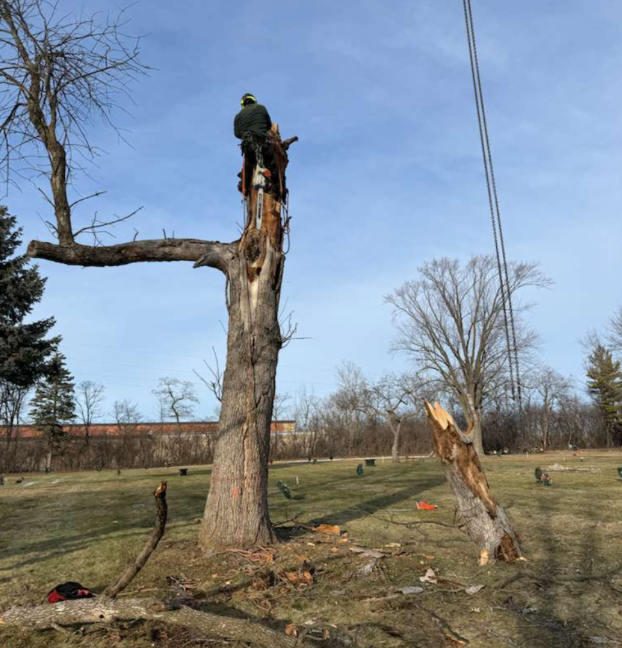
Cracked or split branches
Dead or hanging limbs
Branches touching power lines
Excessive leaning
Thick canopies block sunlight
Heavy snow can weigh down weak branches, while strong winds may send debris crashing down. Addressing these issues promptly reduces risk and keeps your property safe.
Safety Matters in Tree Care
Tree trimming involves heights, sharp tools, and heavy equipment. Attempting to trim large trees without proper training can lead to serious injury.
Professional crews use:
Safety harnesses
Climbing gear
Chainsaws
Protective helmets
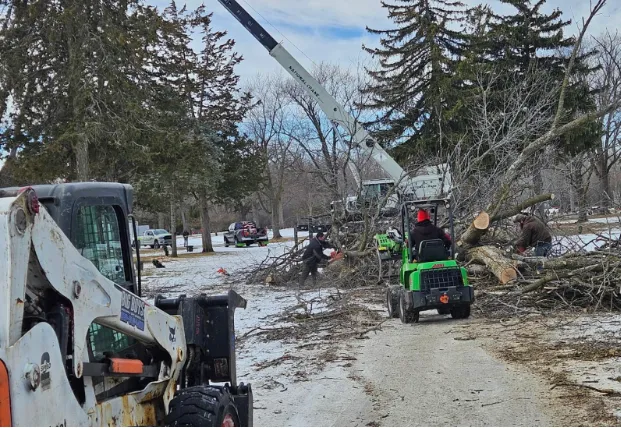
Bucket trucks, when needed
They follow local safety standards and take precautions to protect nearby structures. Hiring trained experts reduces liability and ensures the job is completed correctly.
Environmental Benefits of Regular Trimming
Routine trimming also benefits the environment. Healthy trees absorb more carbon dioxide and provide cleaner air. Removing diseased branches prevents infections from spreading to nearby trees.
Proper pruning strengthens root systems and improves soil stability. Maintaining the urban tree canopy helps preserve wildlife habitats and enhances the overall ecosystem in Green Bay.
Choosing the Right Tree Trimming Company
When selecting a tree care provider, look for certified and insured professionals with local experience.
Ask about:
Knowledge of local climate conditions
Safety certifications and training
Modern equipment standards
Complete cleanup services
Transparent pricing and detailed estimates
Expert tree trimming in Green Bay, WI, ensures trees are pruned properly without harming their health. Experienced crews understand local species and seasonal challenges, delivering results that are both safe and long-lasting.
Conclusion
Tree trimming protects your home, improves safety, and enhances the beauty of your landscape. In a climate like Green Bay’s, regular maintenance is not optional—it’s essential.
Professional timing and technique make all the difference. If you want strong, balanced, and attractive trees, expert tree trimming in Green Bay, WI is the smart solution.
Routine care keeps your property safe, healthy, and visually appealing all year long.
Frequently Asked Questions
1. How much does tree trimming cost in Green Bay?
Costs depend on tree size, location, and accessibility. Larger trees require more labor and equipment, which can affect pricing.
2. Does tree trimming help prevent storm damage?
Yes. Removing weak or overextended branches reduces the risk of storm-related breakage.
3. Is winter a good time to trim trees?
Yes. Dormant pruning during winter promotes healthy growth in spring for many species.
4. How long does tree trimming take?
Small jobs may take a few hours. Larger projects can take a full day depending on complexity.
5. Do I need a permit to trim trees in WI?
Permit requirements vary by municipality and tree type. Always check local regulations before starting major tree work.
